



eNOS
eNOS (NOS3) generates endothelial nitric oxide (NO), a vasoprotective signal that regulates vascular tone, blood pressure, platelet aggregation, leukocyte adhesion, and vascular homeostasis[1][2]. Mechanistically, Akt/PKB activates eNOS through Ser1177 phosphorylation, while agonist-stimulated endothelial cells integrate Ser1177 activation with Thr495 regulation to control NO output[3]. In disease models, eNOS loss or inhibition reduces endothelial NO signaling and increases blood pressure, as shown in eNOS-deficient mice and L-arginine/NOS inhibitor studies[4][5][6]. Compared with related isoforms, eNOS is mostly expressed in endothelial cells, nNOS mediates neuronal signaling, and iNOS produces high-output NO during inflammatory activation[1]. For experimental applications, L-NMMA, L-NIO, and L-NAME inhibit NOS activity and provide pharmacological tools to test endothelial NO-dependent vascular responses[6].
References:
- [1]. Förstermann U, et al. Nitric oxide synthases: regulation and function. Eur Heart J. 2012 Apr;33(7):829-37, 837a-837d. [Content Brief]
- [2]. Förstermann U, et al. Endothelial nitric oxide synthase in vascular disease: from marvel to menace. Circulation. 2006 Apr 4;113(13):1708-14. [Content Brief]
- [3]. Fleming I, et al. Phosphorylation of Thr(495) regulates Ca(2+)/calmodulin-dependent endothelial nitric oxide synthase activity. Circ Res. 2001 Jun 8;88(11):E68-75. [Content Brief]
- [4]. Huang PL, et al. Hypertension in mice lacking the gene for endothelial nitric oxide synthase. Nature. 1995 Sep 21;377(6546):239-42. [Content Brief]
- [5]. Shesely EG, et al. Elevated blood pressures in mice lacking endothelial nitric oxide synthase. Proc Natl Acad Sci U S A. 1996 Nov 12;93(23):13176-81. [Content Brief]
- [6]. Rees DD, et al. Characterization of three inhibitors of endothelial nitric oxide synthase in vitro and in vivo. Br J Pharmacol. 1990 Nov;101(3):746-52. [Content Brief]
-
eNOS Related Products (42)
Related Products (42)

-
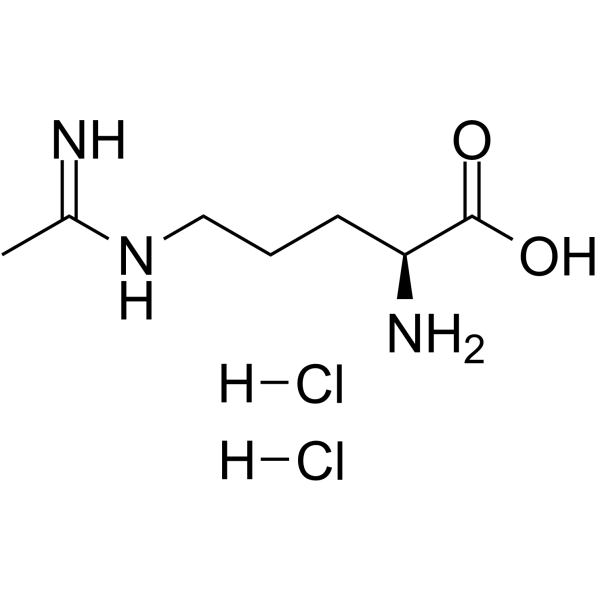
L-Arginine
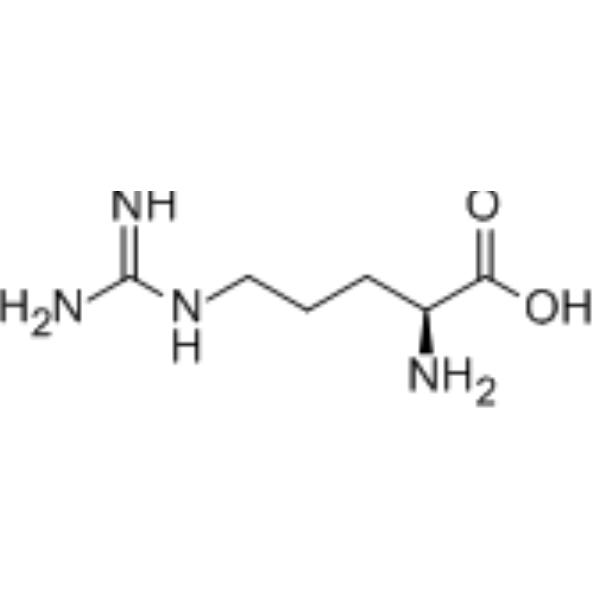 0 ImagesL-Arginine ((S)-(+)-Arginine) is the substrate for the endothelial nitric oxide synthase (eNOS) to generate NO. L-Arginine is transported into vascular smooth muscle cells by the cationic amino acid transporter family of proteins where it is metabolized to nitric oxide (NO), polyamines, or L-proline. L-Arginine is a potent vasodilator, and can be used to induce experimental acute pancreatitis.
-
Midostaurin
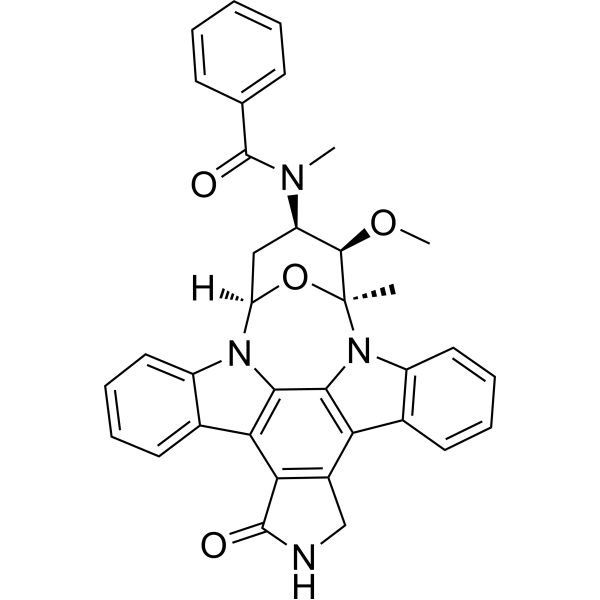 0 ImagesSynonyms: PKC412; CGP 41251Midostaurin (PKC412; CGP 41251) is an orally active, reversible multi-targeted protein kinase inhibitor. Midostaurin inhibits PKCα/β/γ, Syk, Flk-1, Akt, PKA, c-Kit, c-Fgr, c-Src, FLT3, PDFRβ and VEGFR1/2 with IC50s ranging from 22-500 nM. Midostaurin also upregulates endothelial nitric oxide synthase (eNOS) gene expression. Midostaurin shows powerful anticancer effects.
-
Ligustrazine
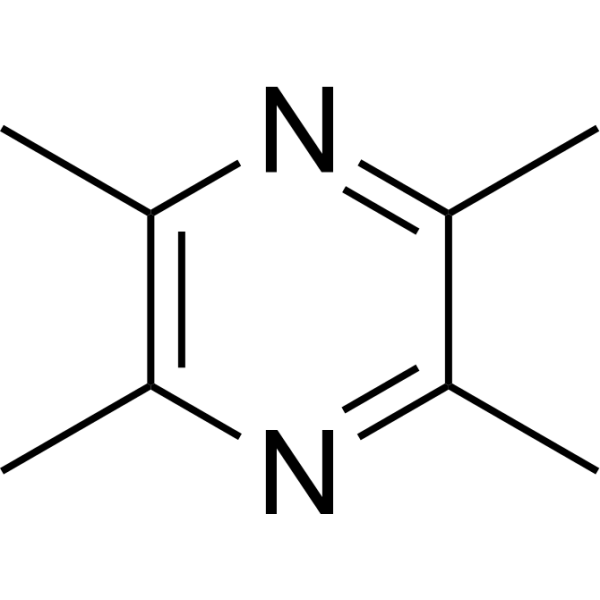 0 ImagesLigustrazine (Chuanxiongzine) is an orally active, blood-brain barrier-permeable alkaloid. It can be isolated from Ligusticum striatum DC. Ligustrazine reduces ROS, upregulates the levels of p-Akt/Akt and p-eNOS/eNOS, and decreases ALT and AST. It inhibits glutamate excitotoxicity, calcium overload, oxidative stress, ischemia-reperfusion injury and atherosclerotic plaque progression, enhances synaptic plasticity, and improves neurological function, cerebral infarct volume and brain water content. Ligustrazine possesses anti-inflammatory, antioxidant, lipid-lowering, endothelial protective and hepatoprotective activities. It can be used in studies related to ischemic stroke, cerebral ischemia-reperfusion injury and atherosclerosis.
-
L-NMMA acetate
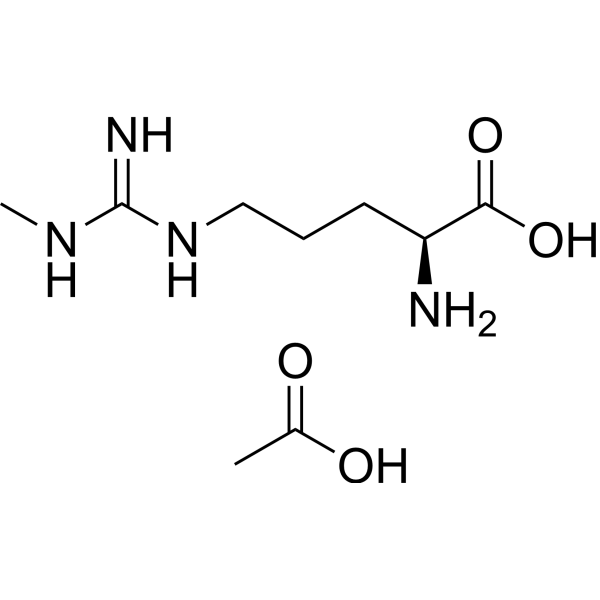 0 ImagesSynonyms: Tilarginine acetate; Methylarginine acetateL-NMMA (Tilarginine) acetate is a non-selective and competitive inhibitor of nitric oxide synthase. L-NMMA acetate inhibits three subtypes, namely nNOS, eNOS, and iNOS, and reduces NO production. L-NMMA acetate alleviates mechanical allodynia, thermal hyperalgesia, and choroidal fibrosis. L-NMMA acetate is applicable to research related to nociception, bone cancer pain, and myopia.
-
PRE-084 hydrochloride
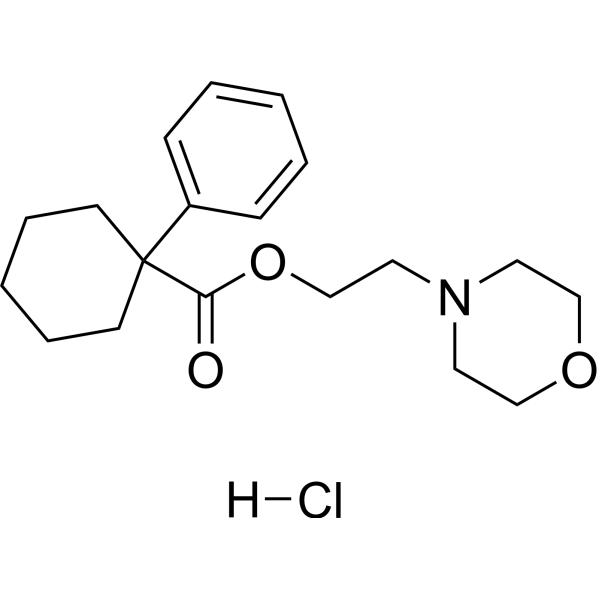 0 ImagesPRE-084 hydrochloride is a highly selective σ1 receptor (S1R) agonist, with an IC50 of 44 nM. PRE-084 hydrochloride exhibits good neuroprotective effects, can improve motor function and motor neuron survival in mice. PRE-084 hydrochloride also can ameliorate myocardial ischemia-reperfusion injury in rats by activating the Akt-eNOS pathway.
-
pTH-Related Protein (1-34) (human,mouse,rat)
 0 ImagesSynonyms: pTHrP (1-34)pTH-Related Protein (1-34) (human,mouse,rat) (pTHrP (1-34)) is a parathyroid hormone-related protein fragment. Binding of pTH-Related Protein (1-34) (human,mouse,rat) to PTH1R triggers cAMP/PKA and PKC signaling, PI3K-mediated Akt and ERK1/2 phosphorylation, NADPH oxidase-dependent ROS generation, and TGF-beta1 and p47phox expression. pTH-Related Protein (1-34) (human,mouse,rat) induces fibronectin upregulation, osteoblast differentiation, osteoclastic bone resorption, bone formation, eNOS/NO-mediated vasodilation, and sensitization of type II pneumocytes to ultraviolet-induced apoptosis (apoptosis) via caspase 3. pTH-Related Protein (1-34) (human,mouse,rat) can be used in research on diabetic nephropathy, breast cancer, acute lung injury, humoral hypercalcemia of malignancy, osteoporosis, and cartilage degeneration.
-
Aminopicoline
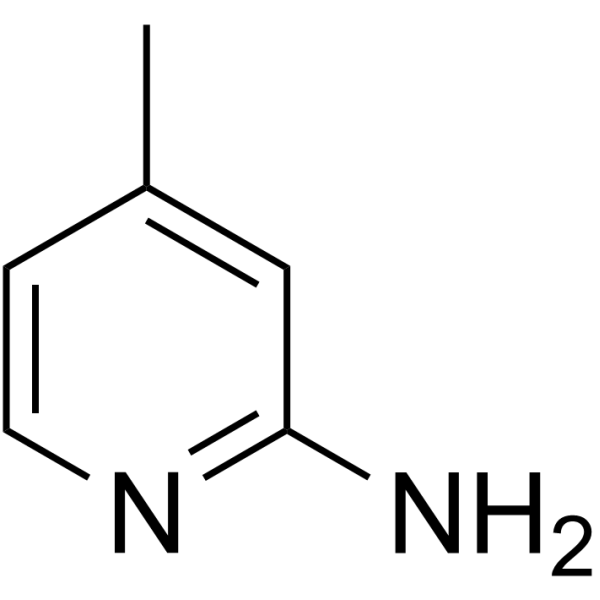 0 ImagesSynonyms: Ascensil; 2-Amino-4-methylpyridineAminopicoline (Ascensil) is a potent and non-selective inhibitor of nitric oxide synthase (NOS) isoenzymes (iNOS, nNOS, eNOS). Aminopicoline competes with arginine at the substrate-binding site of nitric oxide synthase, reduces cellular nitric oxide production, inhibits the elevation of plasma nitrate, increases mean arterial pressure at high doses, and also serves as a basis for radiolabeled ligands to localize nitric oxide synthase binding sites. Aminopicoline can be used in the research of diseases associated with septic shock, joint inflammation, intestinal inflammation, and CNS inflammation.
-
Diisononyl phthalate
 0 ImagesSynonyms: DINPDiisononyl phthalate (DINP) is an orally active polyvinyl chloride plasticizer and indirect food additive. Diisononyl phthalate activates the ACE/AT1R axis and inhibits the production of NO. Diisononyl phthalate reduces the expression of eNOS. Diisononyl phthalate induces increased blood pressure in mice. Diisononyl phthalate induces monocytic leukemia in rats. Diisononyl phthalate can be used in hypertension-related research.
-
4-Methoxybenzyl alcohol
 0 ImagesSynonyms: P-Methoxy-benzyl alcoho; (4-Methoxyphenyl)methanol4-Methoxybenzyl alcohol (P-Methoxy-benzyl alcoho; (4-Methoxyphenyl) methanol) is a naturally derived volatile aromatic compound. 4-Methoxybenzyl alcohol upregulates the phosphorylation level of PI3K/Akt pathway proteins, downregulates the expression of pro-inflammatory factors, increases the content of tight junction proteins occludin and claudin-5, and alleviates structural damage to the blood-brain barrier. 4-Methoxybenzyl alcohol improves the decrease in viability and NO level of cerebral microvascular endothelial cells induced by oxygen-glucose deprivation/reperfusion, and reduces the release of lactate dehydrogenase. 4-Methoxybenzyl alcohol serves as a substrate in the two-phase persulfate-mediated electro-oxidation system, where it is directionally oxidized to p-anisaldehyde. 4-Methoxybenzyl alcohol acts as a substrate for wild-type fungal aryl alcohol oxidase. 4-Methoxybenzyl alcohol can be used in studies related to ischemic stroke, as well as in research across various fields such as chemical synthesis, including the synthesis of fragrances and flavorings.
-
Ligustrazine hydrochloride
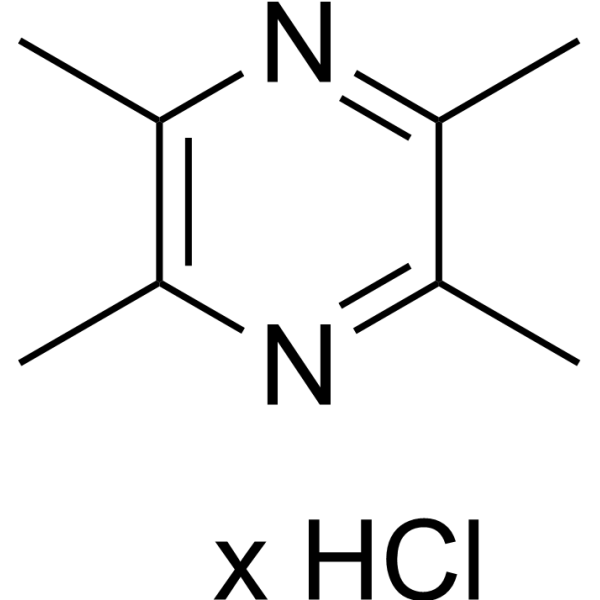 0 ImagesSynonyms: Chuanxiongzine hydrochloride; Tetramethylpyrazine hydrochlorideLigustrazine hydrochloride (Chuanxiongzine hydrochloride) is an orally active, blood-brain barrier-permeable alkaloid. It can be isolated from Ligusticum striatum DC. Ligustrazine hydrochloride reduces ROS, upregulates the levels of p-Akt/Akt and p-eNOS/eNOS, and decreases ALT and AST. It inhibits glutamate excitotoxicity, calcium overload, oxidative stress, ischemia-reperfusion injury and atherosclerotic plaque progression, enhances synaptic plasticity, and improves neurological function, cerebral infarct volume and brain water content. Ligustrazine hydrochloride possesses anti-inflammatory, antioxidant, lipid-lowering, endothelial protective and hepatoprotective activities. It can be used in studies related to ischemic stroke, cerebral ischemia-reperfusion injury and atherosclerosis.
-
Malvidin-3-glucoside chloride
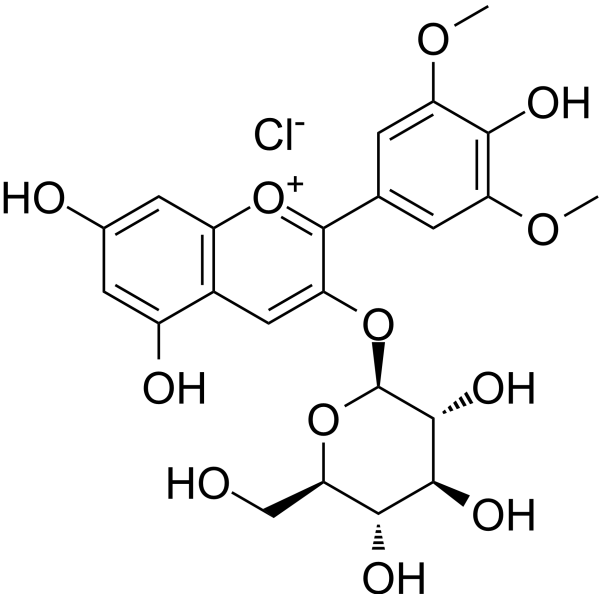 0 ImagesSynonyms: Malvidin-3-O-glucoside chloride; Oenin chlorideMalvidin-3-glucoside (Malvidin-3-O-glucoside; Oenin) chloride is an orally active inhibitor of the NF-κB pathway, which blocks inflammatory responses induced by TNF-α, reduces IκB-α degradation and p65 nuclear translocation, and upregulates endothelial nitric oxide synthase eNOS to increase NO production. Malvidin-3-glucoside chloride exerts anti-inflammatory and antioxidant effects by inhibiting pro-inflammatory molecules such as MCP-1, ICAM-1, and IL-6, and regulating intestinal microorganisms and metabolites, while protecting endothelial cells and improving intestinal microecological dysbiosis under inflammatory conditions. Malvidin-3-glucoside chloride can be used to study chronic inflammatory-related diseases such as atherosclerosis and inflammatory bowel disease, and has the potential to prevent vascular inflammation and improve intestinal health.
-
Triflusal
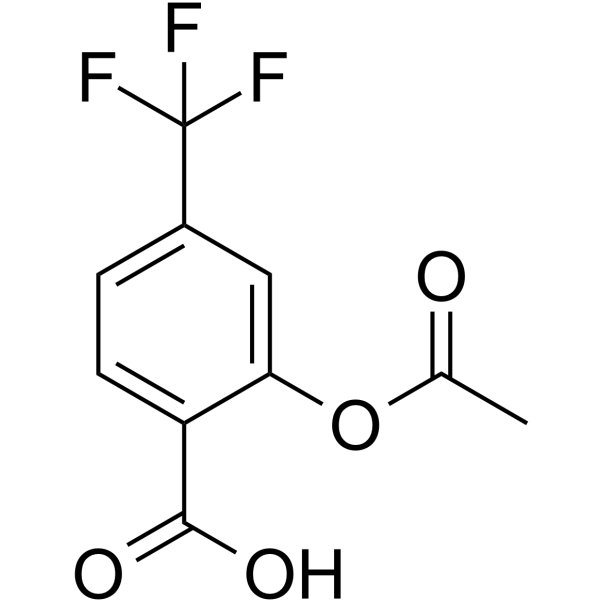 0 ImagesTriflusal is an orally bioavailable, blood-brain barrier-permeable dual Cyclooxygenase-1 (COX-1)/cAMP phosphodiesterase inhibitor. Triflusal inhibits platelet aggregation, NF-κB activation, iNOS activity, and prostaglandin synthesis in ischaemic tissue. Triflusal stimulates neutrophil nitric oxide production, eNOS protein expression, and cNOS activity. Triflusal alleviates cerebral ischemic injury in rats and ameliorates pathological lesions and related gene expression in transgenic Alzheimer’s disease models. Triflusal can be used for the research of thromboembolic/ischemic cardiovascular and cerebrovascular diseases, and Alzheimer’s disease.
-
Dipeptide 2
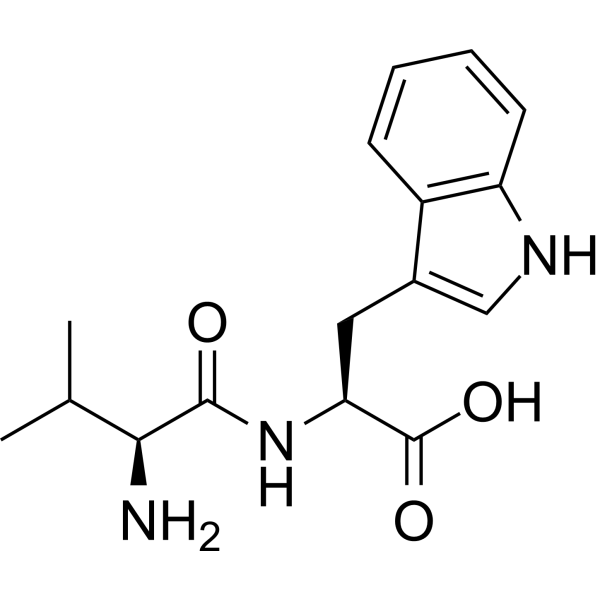 0 ImagesSynonyms: N-Valyltryptophan; Val-TrpDipeptide 2 (N-Valyltryptophan) is an orally active, competitive angiotensin-converting enzyme (ACE) inhibitory peptide with an IC50 of 10.50 μM. Dipeptide 2 reduces intracellular Calcium ions. Dipeptide 2 significantly increases the content of NO, inhibits the production of ET-1, and induces the phosphorylation of eNOS. Dipeptide 2 decreases the systolic and diastolic blood pressure of spontaneously hypertensive rats.
-
Gomisin J
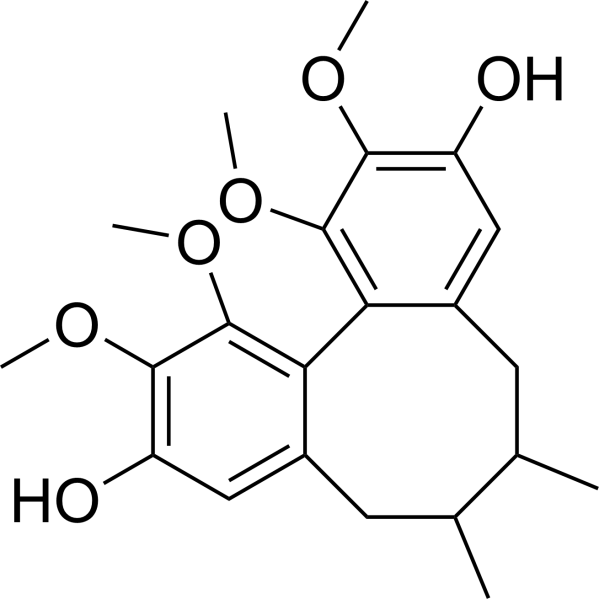 0 ImagesGomisin J is a Schisandra chinensis-derived lignan that can inhibit multiple targets such as eNOS, AMPK (LKB1, CaMKIIβ), fetuin-A, NF-κB, Nrf2/HO-1, and can pass through the blood-brain barrier. Gomisin J increases NO bioavailability by activating eNOS, regulates lipid metabolism by activating the AMPK pathway, inhibits fetuin-A and NF-κB to exert anti-inflammatory effects, and activates Nrf2/HO-1 to enhance antioxidant capacity. Gomisin J has the activities of anti-hypertension, regulating liver lipid metabolism, and reducing cerebral ischemia-reperfusion injury, and can be used for research on hypertension, non-alcoholic fatty liver disease, cerebral ischemia-reperfusion injury, etc.
-
AVE3085
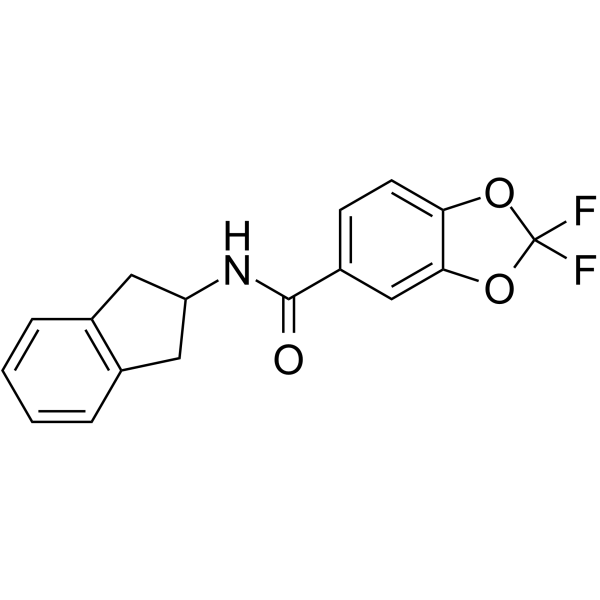 0 ImagesAVE3085 is a potent endothelial nitric oxide synthase enhancer, used for cardiovascular disease treatment.
-
nNOS-IN-1
 0 ImagesnNOS-IN-1(Compound 14) is an inhibitor for nitric oxide synthases (NOS), that exhibits inhibitory activities against neuroal, inducible and endothelial NOS, with IC50s of 2.5, 5.7 and 13 μM, respectively.
-
9(10)-Nitrooleate
 0 ImagesSynonyms: 9(10)-Nitrated oleic acid9 (10)-Nitrooleate (9(10)-Nitrated oleic acid) is an endogenous lipid signaling mediator with vasoprotective effects. 9 (10)-Nitrooleate enhances enzymatic activity and improves nitric oxide bioavailability by inducing phosphorylation of Akt and ERK1/2, regulating the multi-site phosphorylation status of eNOS and optimizing its interaction with Hsp90. 9 (10)-Nitrooleate also activates PPARα, PPARδ and PPARγ receptors, thereby regulating adipogenesis, glucose uptake and inflammation-related gene expression, and exhibits immunosuppressive effects by inhibiting neutrophil migration and cytokine secretion. 9 (10)-Nitrooleate is widely used in studies of sepsis and related inflammatory diseases.
-
TP508 TFA
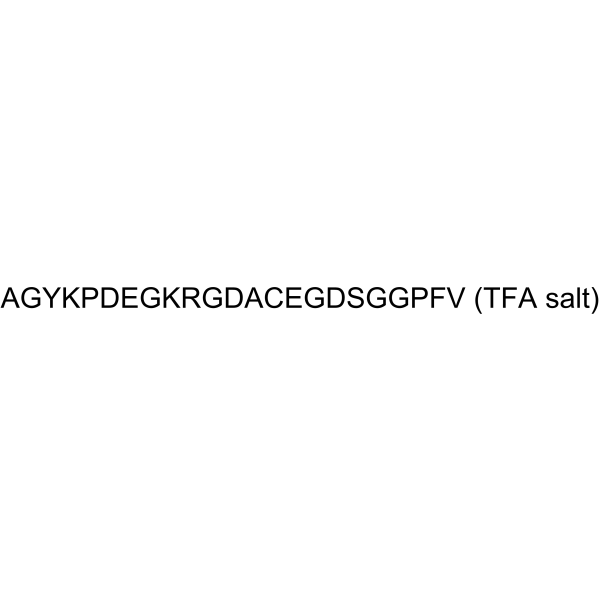 0 ImagesCat. No.: HY-P0316APurity: 99.54%TP508 TFA is a 23-amino acid nonproteolytic thrombin peptide that represents a portion of the receptor-binding domain of thrombin molecule. TP508 TFA activates endothelial NO synthase (eNOS) and stimulates production of NO in human endothelial cells. TP508 TFA activates endothelial cells and stem cells to revascularize and regenerate tissues.
-
ARL 17477
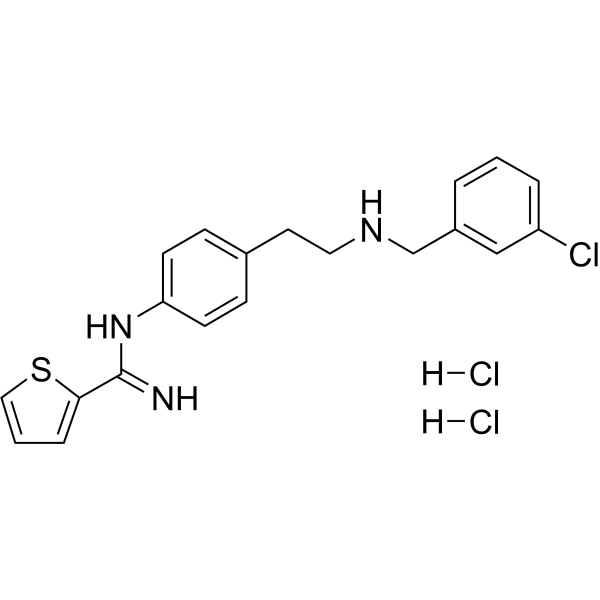 0 ImagesARL 17477 is a blood-brain barrier-penetrant selective neuronal nitric oxide synthase (nNOS) inhibitor with an IC50 of 1 μM. ARL 17477 reduces nitric oxide production and activates TFEB and lysosomal biogenesis, induces lysosomal membrane permeabilization, but inhibits autophagy-lysosomal function, autophagic flux, protein aggregate clearance, and proliferation. ARL 17477 induces ERK hyperphosphorylation and slight AKT inhibition. ARL 17477 exhibits NOS1 -independent anticancer activity against multiple cancer cells. ARL 17477 inhibits xenograft tumor growth in vivo. ARL 17477 can be used in research on colon cancer, non-small cell lung cancer, osteosarcoma, pancreatic cancer, arterial occlusion, and pain.



